-
 Call Now ! +250788526262
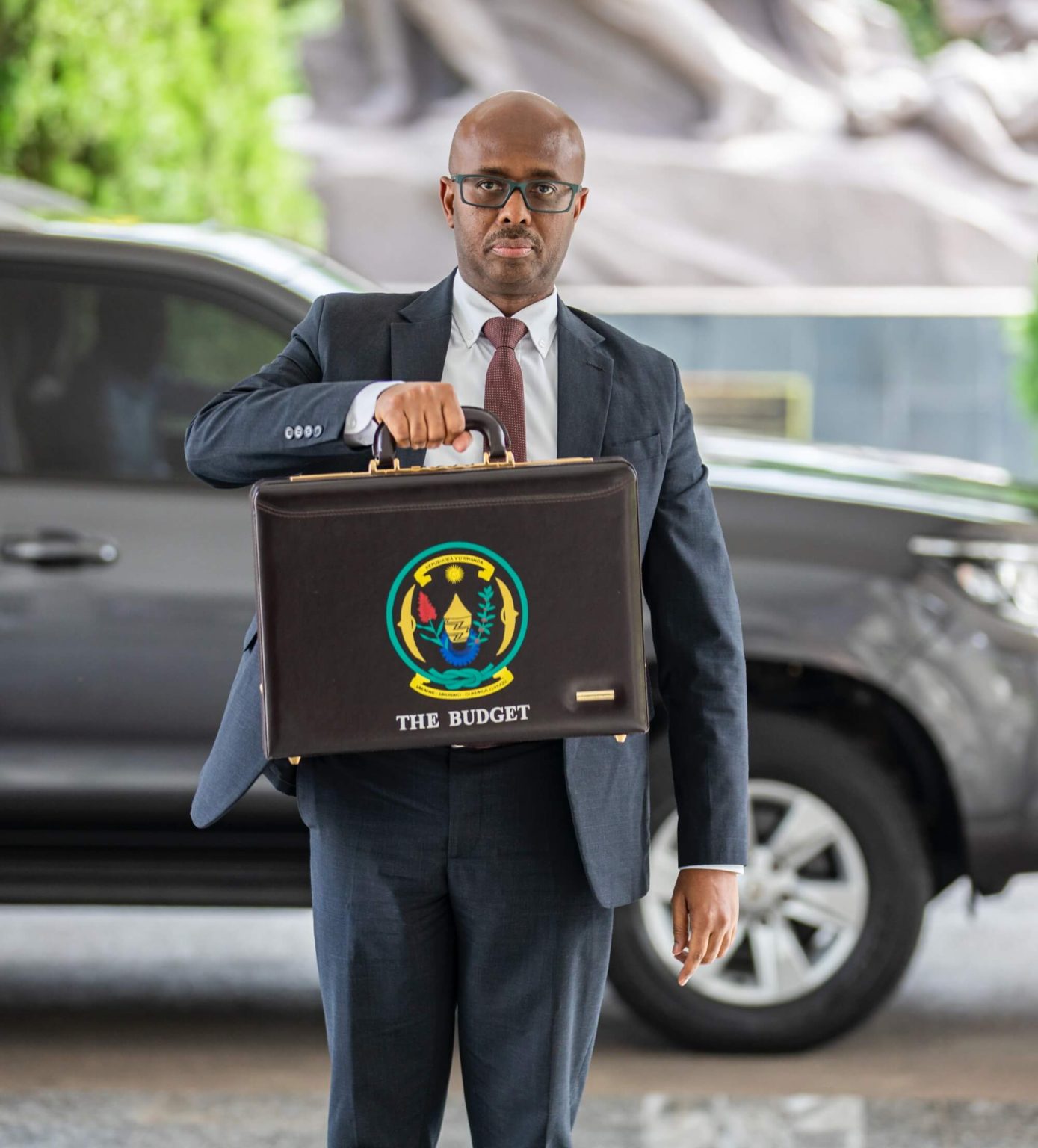
The Government of Rwanda has unveiled its 2025/2026 National Budget totaling Rwf 7.0325 trillion (approximately USD 4.8 billion). This marks a robust 21% increase from the 2024/2025 budget of Rwf 5.8164 trillion, reflecting the country’s firm commitment to accelerating economic transformation and sustainable development.
Rwanda’s economy grew by an impressive 8.9% in 2024, with growth projected to continue at an average annual rate of 7.1% between 2025 and 2027. This strong performance underscores Rwanda’s resilience, macroeconomic stability, and its position as one of Africa’s most promising investment destinations..
At United for Change, we view Rwanda’s growing fiscal resilience marked by stronger domestic revenue and prudent debt structures as a cornerstone for sustainable private-sector growth and investor confidence.
The Rwandan economy remains firmly anchored in stability and consistent growth. Inflation is expected to remain contained within the range of 5% to 7%, supported by prudent monetary and fiscal policies. The debt-to-GDP ratio is projected to remain sustainable and below the 65% threshold, ensuring continued fiscal health. The government remains committed to achieving middle-income status by 2035 and high-income status by 2050. Rwanda has consistently ranked among Africa’s most business-friendly environments, according to the World Bank’s Doing Business indicators, with its efficient governance structures and investor-friendly policies forming the backbone of its economic agenda. The stable political climate, zero tolerance for corruption, and transparent regulatory environment continue to position Rwanda as an ideal location for long-term investment.
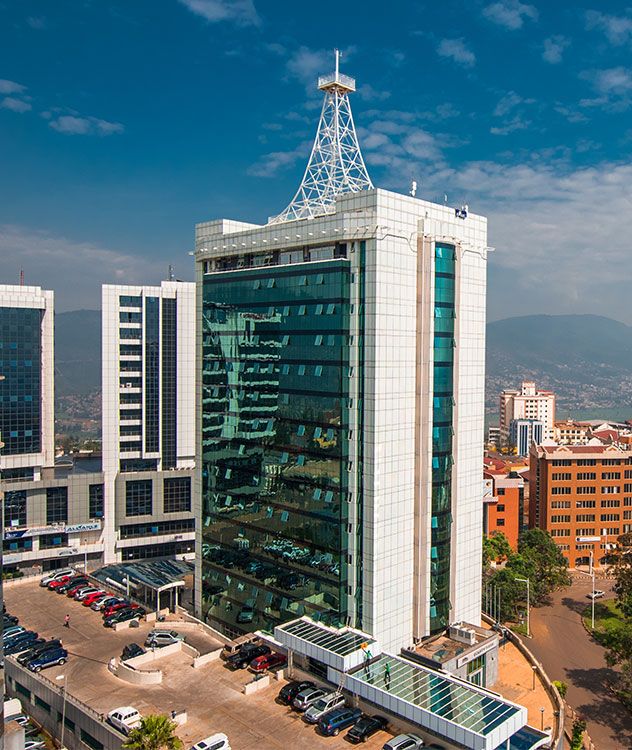
Infrastructure development remains a flagship sector, receiving the largest share of the national budget. Key projects include the ongoing construction of the New Kigali International Airport, which is expected to serve as a premier regional aviation hub. Additionally, RwandAir continues its strategic fleet expansion, enhancing connectivity across Africa and beyond. Significant investments are also directed towards modernizing the national road network and developing regional railway corridors, facilitating seamless integration with the East African Community (EAC) and the wider COMESA trading bloc. Investment opportunities exist in public-private partnerships (PPPs) targeting transport, logistics hubs, and Special Economic Zones (SEZs), as well as airport management, airline partnerships, and cargo handling facilities.